Subscribe
Share
Share
Embed
Ducks Unlimited Podcast is a constant discussion of all things waterfowl; from in-depth hunting tips and tactics, to waterfowl biology, research, science, and habitat updates. The DU Podcast is the go-to resource for waterfowl hunters and conservationists. Ducks Unlimited is the world's leader in wetlands conservation.
On this episode of the Ducks Living in podcast, I am interviewing Oliver Tutz Lawson. Oliver is from Crisfield, Maryland. Oliver is a decoy carver who actually trained under the famous Ward brothers. Oliver story is super special because you get to hear kind of the whole history from the Ward brothers until now of Eastern Shore carving. Please stay tuned.
VO:The following episode of the DU podcast features a video component. For the full experience, visit the Ducks Unlimited channel on YouTube, subscribe, and enjoy.
VO:Can we do a mic check, please?
VO:Everybody, welcome back to the Ducks Unlimited podcast. I'm your host, doctor Mike Brazier. I'm your host, Katie Burke. I'm your host, doctor Jared Hemphith. And I'm your host, Matt Harrison.
VO:Welcome to the Ducks Unlimited podcast, the only podcast about all things waterfowl. From hunting insights to science based discussions about ducks, geese, and issues affecting waterfowl and wetlands conservation in North America. The DU podcast, sponsored by Purina Pro Plan, the official performance dog food of Ducks Unlimited. Purina Pro Plan, always advancing. Also proudly sponsored by Bird Dog Whiskey and tails.
VO:Whether you're winding down with your best friend or celebrating with your favorite crew, Bird Dog brings award winning flavor to every moment. Enjoy responsibly.
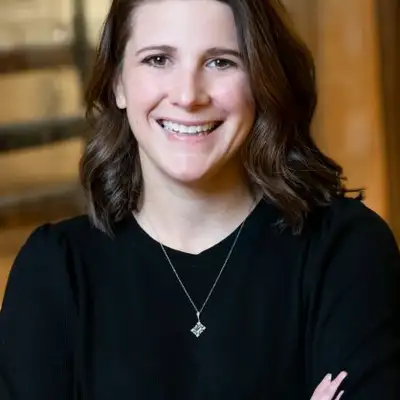
Katie Burke:Hi, everybody. Welcome to the Ducks Unlimited podcast. I'm your host, Katie Burke. And today on this show, I have a special guest here in person, Oliver Tutz Lawson. Yeah.
Katie Burke:How long have you been Tutz Lawson?
Oliver "Tuts" Lawson:All my life.
Katie Burke:All your life?
Oliver "Tuts" Lawson:Don't know where it came from.
Katie Burke:It's one of those.
Oliver "Tuts" Lawson:But when I was very small, lived next door to my grandmother, and my uncle gave me the nickname.
Katie Burke:Oh, yeah.
Oliver "Tuts" Lawson:I had problems with my legs when I was very young, and I'd fall down a lot. And there was an old guy in town that walked around and his name his nickname was Toots. And I was walking across, I fell in the floor and my uncle said, you're clumsier than the old man Toots. And that's where I got the name. And it stuck with me all my And and other local people only know me by that.
Oliver "Tuts" Lawson:They don't they don't recognize Oliver. So but if you when you went to the shows, it was always Oliver. Right?
Katie Burke:I get that. I mean, as a southerner, I have an aunt Sugar.
Oliver "Tuts" Lawson:Most most southern people have well, the problem in Crisfield is you have it's it's an old time. It was settled back in the sixteen hundreds, so you have a small group of names that were originated. And if you if you look back long, everybody's related. Mean, you only have maybe six or seven family that settled the place, and over the years, they intermarried. So so everybody has a nickname.
Katie Burke:Yep. I have a yeah. I was gonna say I have a I have a aunt Sugar, and I don't know why her name we call her Sugar, but that's what we call her. Well,
Oliver "Tuts" Lawson:I have a cousin they that's nicknamed Sugar. Oh, really? Yep.
Katie Burke:That's funny. Yeah. So you grew up in Crisfield?
Oliver "Tuts" Lawson:Grew up, born and raised, and grew up in there all my life.
Katie Burke:So when did were decoys always were you always aware of decoys, or when did you kinda start?
Oliver "Tuts" Lawson:Most of my life, I was very young when I was introduced to decoys. I was only about six, seven years old. Okay. And, actually, my brother, I have an older brother, just the two of us, and he found an old wooden decoy and brought it home, and it kinda fascinated me. And so I my grandfather was a carpenter, so we had I always had a little pocket knife.
Oliver "Tuts" Lawson:And and when I saw this decoy, I wanted to make one. So I started carving little, kinda little birds. And and that's basically where it started. I was about eight, seven, eight years old. Okay.
Oliver "Tuts" Lawson:And as a and, I mean, in this area, in my day, a little boy, I mean, basically, that's he just entertained himself. Yeah. Mean, you was no such thing as TVs or things just so you had the toys you had to make. Most of them they played with. And
Katie Burke:Were you hunting at all at that time?
Oliver "Tuts" Lawson:No. I didn't start hunting until I was a teenager.
Katie Burke:Okay.
Oliver "Tuts" Lawson:But in the early days, I just was interested in carving things, and I made some little little duck decoys. And my mother worked in a sewing factory, a seamstress, and she worked with Lemoore's Woyers. And she took them down to work one day and showed them to miss Selma that was Lam Ward's way. And she said, you tell that boy go down and see Lam. And so when I was about nine years old, I go down and see Lam Ward, and they were in the shop, and I went in and went every day pretty well.
Katie Burke:Yeah. How old were they at that point? When would that have been?
Oliver "Tuts" Lawson:Well, that was back in the late forties.
Katie Burke:Okay. Yeah. And so they yeah. So they would have been in their life.
Oliver "Tuts" Lawson:Oh, they were kinda young at the time, but they were and they're I'd say, Lam died in '85 or '6, I think, and Steve died before he did.
Katie Burke:Seventies. Yeah.
Oliver "Tuts" Lawson:But I'd go down pretty well every day and after school. And over the years, I went until he passed away, really. Yeah.
Katie Burke:And they were heavily carving at that point.
Oliver "Tuts" Lawson:Oh, yeah. Yeah. Yeah. Yeah.
Katie Burke:So what was that like in there as a kid going in that shop? Were they, like, happy to have you there?
Oliver "Tuts" Lawson:Well, they were yes. They were just old country people, and they were very happy. They're always joking, talking. They love to recite poetry. They could recite poems for hours at a time.
Oliver "Tuts" Lawson:And and they they also in those days, little towns, they had, like, minstrel shows and things, and they sung in a barbershop quartet.
Katie Burke:Okay.
Oliver "Tuts" Lawson:And they used to practice singing too. So I'd love to sit and listen to them sing.
Katie Burke:Yeah. Yeah. Yeah. Because, well, Lem, of course, is famous for writing his poems on the bottom of things.
Oliver "Tuts" Lawson:Well, Steve Steve wrote a lot of poem. They were laying all he'd write on an old maybe an envelope or a scrap paper. And when he passed away, Ida and a friend of mine, Don Burdell, collected them all up and Don had a book printed and it's called Close For Business. And it's all Steve's poems in there. Yeah.
Oliver "Tuts" Lawson:And but it he wrote a lot of poems about nature. They were very sentimental about their family, wrote poems about their mother. And but it was good. Yeah. For for somebody that didn't have the training, I mean
Katie Burke:It's from the best people to learn from. Yeah.
Oliver "Tuts" Lawson:I mean, they better. Can you imagine that? They lived in the same house they were born and raised in all their life. No. They never owned a car.
Oliver "Tuts" Lawson:Yeah. Didn't know how to drive a car. Didn't have a checking account. I doubt if Lamb would know how to write a check. So and but they lived all their life that way.
Oliver "Tuts" Lawson:But so they were very simple country people, and it would and and now Steve, he like to go. He would go down to the creek and just sit on the on the bank or in his little boat and write poems and and watch the birds and the sunset. And I I tell a lot of people, of all the people I ever met, I've never met people that were as satisfied with life. They never complained about anything. They were just happy
Katie Burke:Yeah.
Oliver "Tuts" Lawson:With what they had. And and he told me one time, he said, you know, true happiness is not getting what you want. It's wanting what you got.
Katie Burke:Yeah.
Oliver "Tuts" Lawson:And when you think about it, it's a lot of truth.
Katie Burke:Very true. Yeah.
Oliver "Tuts" Lawson:Yes. It is. Yeah.
Katie Burke:At that time, were other car like, were they that was a question I might wanna ask you. But so, obviously, they're well known at that time. People are collecting their stuff. Are there other carvers and stuff coming in?
Oliver "Tuts" Lawson:Oh, yeah. Okay. And and was a few at that time, but was a lot of the old decoy collectors like Bill Mackie, Ross Star, Summers Hadley, Mort I met that's where I met Morton Kramer Okay. Was there. And matter of fact, I sold him the first old decoy he ever owned.
Oliver "Tuts" Lawson:He he collected lamb's ornamental things. And but I met a last that was a big advantage to me. I met a lot of people from being there that ordinarily I wouldn't have met. And so and when Lamb got real busy, he would he would send a lot of people to me as far as repairing and repainting the hunting decoys. And in those days, we had a lot of big hunting decoy of clubs on the shore with Fox's Island and Holland's Island and a lot of clubs up and down.
Oliver "Tuts" Lawson:Had a lot of decoys, and they repaired their decoys every year. So that was a good business to me. And
Katie Burke:Yeah. And it's a lot of good practice and looking at other decoys and learning from those Well,
Oliver "Tuts" Lawson:that's right. And and that's why so that's but I just saw his decoys. So naturally, what what I made were very similar because I did just use the same tools they did and and went about the process about the same way.
Katie Burke:Yeah. I'm sure you learned a lot about painting as well from that.
Oliver "Tuts" Lawson:And I used to sit and watch him paint, and he was very good at the the best thing I learned is is the diff how to make different colors. If he saw a color, say for instance, your sweater, he could tell you what to it took to mix that color.
Katie Burke:Right.
Oliver "Tuts" Lawson:And I don't care what color it was. And because he told me, he said, you only need about seven or eight different colors to start with. You mix all the rest of them.
Katie Burke:Right.
Oliver "Tuts" Lawson:So and that's what he taught me. And and when in bird carving, that's one of the most important things is is when you're looking at a lot at a a study bird and see that color, it's very confusing to figure out how to what go what colors it takes to mix that.
Katie Burke:Yeah. Because sometimes it's not intuitive. It's not what you think it would be.
Oliver "Tuts" Lawson:Oh, that's right. It's it's very strange that you might think it's certain colors when you mix them together and put it near near the bird. You know, it's it's way out the way. So it you have to keep fooling with it. And but that was probably one of the most important things he taught me because if if you came to the shop to buy a bird, what you're seeing is the bird all painted.
Oliver "Tuts" Lawson:Yes. See? So you don't understand what it takes to to get it to that point.
Katie Burke:Right. And you're doing so much you're doing a he lot of wet on wet. Right?
Oliver "Tuts" Lawson:Well, that was the he that's what he worked in, wet on wet. And which when you're blending colors, it works better because you can draw them together better.
Katie Burke:And you get that softness the bird.
Oliver "Tuts" Lawson:And it creates a soft finish. Now and I also it's the medium that you use and the paints that you use has a lot to do with that too. So he didn't like glossy colors. He he wanted them to dry. When they dried, it wasn't completely flat, but it was like a satin.
Oliver "Tuts" Lawson:Yeah. And when you put blending those colors together, that give you that soft. So, I mean, you're looking at a piece of wood, but it almost feels like you can feel the the feather.
Katie Burke:Yeah. It's very specific to it. And there doesn't their decoys, I was looking at, they said one that just sold for a lot of money this weekend at
Oliver "Tuts" Lawson:the auction.
Katie Burke:There's patinas, but not like some like, it does a patina the same as, like, a lot of birds. It kinda keeps that color and softness.
Oliver "Tuts" Lawson:Yeah. Well, the one he always used oil paint. Yes. And and I've discovered that oil paint over years looks better. It ages, and it developed a patina that other paints don't give you.
Oliver "Tuts" Lawson:So, I mean, I've seen birds he did in probably in the nineteen twenties and and early thirties, and they look like they've just been painted.
Katie Burke:Yeah.
Oliver "Tuts" Lawson:And they were just as soft in the same way. And and but and but I and when they come out with the acrylic colors and all, I tried it, but I didn't like it. And so I went I've always used oil paints just and I used the same same techniques that he did, the same tools that he did, and so it it gives you that soft finish. Yeah. Because, I mean, you're you got a piece of wood, and you're copying a a bird that's very soft.
Oliver "Tuts" Lawson:So
Katie Burke:Yes. That's true. And I I agree. I don't find acrylic paint very forgiving either. I mean, you can paint over it, but, like
Oliver "Tuts" Lawson:It doesn't have that softness to it.
Katie Burke:No. And you can when the if you mess up with oils, you can also sometimes like the wiping away Yeah. Is just as good as
Oliver "Tuts" Lawson:you also you also build up a color. In in other words, the colors are to me, I say they have depth to them that that acrylics or a water base doesn't have.
Katie Burke:No. It's a flatness.
Oliver "Tuts" Lawson:It's kinda flat and it feels hard. Oil paints are and to me, the older they are, the better they look. They just age and they get that old looks like an old old canvas. It's I mean, the older it gets, the better it looks.
Katie Burke:Right. Yeah. That's very true. Alright. So who besides collect collectors, what other carvers are coming through when you're at that age, and who are you learning from?
Oliver "Tuts" Lawson:Well, the first ones I've met coming down there was Paul Knock and Dan Brown from Salisbury. Yeah. But then over the years, pretty well everybody. I mean, they were all over the place. I mean, I'm Charlie Joyner from up in Chestertown and and all those guys from up up the bay.
Oliver "Tuts" Lawson:And then I started meeting people from all over the country now. I met I knew Granger McCoy and Gilbert Magione from down in Carolinas. I mean, they did fantastic stuff. Yeah. And like I said, I met Bruce Burke and Wendell Gilley and Harold Hartell, all those old guys, Charlie Joyner, all those guys from Chestertown used to come down.
Katie Burke:Okay. Yeah. Yeah. So people just kinda flocked to them, they?
Oliver "Tuts" Lawson:Well, they did. Yeah. Yeah. And I and he kept a he always he always kept a tablet there. When anybody called me, wanted them just to sign it and where they were from.
Katie Burke:Yeah.
Oliver "Tuts" Lawson:That's all he asked. And he had those tablets. I mean, you wouldn't you can't imagine how many names was in that that thing. People could come from all over the all over the country. There was nothing to see people from from New England or Florida or Texas.
Oliver "Tuts" Lawson:I knew a guy lived in Texas was a deal old dealer and but I met people from all over the country.
Katie Burke:Yeah. You know, so that makes me think. I was just thinking about this. So one of the reasons I started come like, with Easton, I go to all these guys' shops and I do these interviews and interview y'all. And I noticed, like, in especially around here on, you know, the Virginia, Maryland shore, hit right on Chesapeake.
Katie Burke:Shops are open. Y'all it's like a very much anybody can come visit anytime. And do you think that
Oliver "Tuts" Lawson:Well, that attitude comes from that? That was the thing that you felt comfortable. And it was another thing about Glenn and Steve, they were that type of people when you were around them, you didn't feel like you had met a stranger. They were very homely country people, and then they they never met any I don't think he ever met a stranger. I mean, if any if he went in town, I used to have to take him in town to get a Coke or something.
Oliver "Tuts" Lawson:And when he'd sit down, he knew every everybody in there would come to and and talk to him. I mean, he knew everybody. And so that was a great advantage to me. I got to meet people Yeah. That normally I wouldn't have known.
Oliver "Tuts" Lawson:And Yeah.
Katie Burke:Well, when I think about that with I was just down in a couple a month ago, was down in Real Foot Lake and with a bunch of the carvers.
Oliver "Tuts" Lawson:And Yeah.
Katie Burke:They were talking about, like, the reason that they all meet up at these places is they can, like, run problems by each other.
Oliver "Tuts" Lawson:Well, that's right.
Katie Burke:So with you being able to starting out so young and also getting the experience around with not just them, but with all those carvers coming in. Like, if you have an issue, you can be like, well, how do you think that move forward with that issue?
Oliver "Tuts" Lawson:That's right.
Katie Burke:Yeah. So you're
Oliver "Tuts" Lawson:That that was the relationship I had with them and Lam because he a lot of times when I go down, he would say, come look at this, I found out. And he had just he had he had found out how to for instance, in the early days, all birds were just smooth. Then they just got into this texturing and that and he was Lam was always trying to experiment with different techniques and and mixing colors or carving. And and when I go as a kid, he'd I he'd have, come on here. I'm gonna show you this new thing I found.
Oliver "Tuts" Lawson:And we were always discussing these new things or new techniques, and and all the other carvers were the same way. If you went to a show and you would look at their work and you'd see something that they were doing, then they they would they'd sit down and talk about it. How do you do that? You know? And so it gives you the opportunity.
Oliver "Tuts" Lawson:You learn quicker Yeah. Than than trying to figure it out on your own.
Katie Burke:Right.
Oliver "Tuts" Lawson:And and so the whole business in those days, people were close. The the guys were closer together because they would sit down. If I went to a show, like you say, you somewhere during the day, they'd all be over in the corner somewhere talking to each other Yeah. And discussing things. Yeah.
Katie Burke:No. That's right. I mean, you think and you think back, like, what they did with making things more decorative and more realistic, the raised wingtips. They I mean, they took
Oliver "Tuts" Lawson:it Yeah.
Katie Burke:Way farther than anyone else was doing at that time.
Oliver "Tuts" Lawson:Well, that see, that was the thing. You you basically had the beginning of a hunting decoy. Yeah. And the decorative was merely taking it further and and and, like, raising the wings or making one preening or making one feeding. And and he had a way of I mean, it's easy to see a stuffed bird, but it when you sit and try to figure out how to make it out of wood, that's a difference.
Oliver "Tuts" Lawson:Yes. And but he loved to do birds with their wings up and but it I've seen him do birds with both wings up, and he carved them all into one piece of wood.
Katie Burke:Which is hard because you have to go against the grain.
Oliver "Tuts" Lawson:Because you're you're going against the grain, and it's not easy to do. And it takes a while to be I mean, the first one you do, it's gonna take you long, but you get better over time. You know? And and those are the things that he would show he'd say, come. If you look at this, I figured out how to do this.
Oliver "Tuts" Lawson:And and we were always looking for different kind of tools to do a certain job. And but it that that was the great thing about the early time. The the carvers like Cameron most of the carvers were more like Cameron.
Katie Burke:Like yeah.
Oliver "Tuts" Lawson:Then they got to the point that everything was so secret. They thought they knew more than everybody else, so they didn't want to share as much.
Katie Burke:Right.
Oliver "Tuts" Lawson:The early guys would share anything, but the old as time went on, they got so then they didn't wanna talk about it or they had a secret that and so if if to me, it wasn't as much fun then. Yeah. That
Katie Burke:was really that was oh, I've learned a lot right there. So during so you start you know, they're giving you com they're letting you repair stuff, and they're you're helping them out. Yeah. When as a carver for yourself, do you start getting commissions and doing more stuff that's your own
Oliver "Tuts" Lawson:more They were.
Katie Burke:And individualizing.
Oliver "Tuts" Lawson:What they would do, say, every like I said, in those days, you had a lot of hunting clubs up and down the bay. Yes. And most of them had decoys that Lemmy and Steve had made. Right. And every year, you had certain number that needed to be repaired.
Oliver "Tuts" Lawson:So they would come to Lem and say, we need our decoys fixed. Well, Lem had started doing more decorative stuff and getting busier, so he'd say, I don't have time, but toots will do it for you. And they'd bring them to me, and I'd repair them while I and but to me as a young person and I was married at the time and had a family, so it it was a good way to make a good living. I could sit home and make a good living, and I could still go fishing and hunting every day. So it was a good deal.
Katie Burke:It's a good deal.
Oliver "Tuts" Lawson:And when they came and picked up their decoys, these were wealthy most of them were wealthy people, and they would buy my work. So I developed a following from a lot of those people. So I knew most of the people that they were from the cities that that were owners of the gunning club. So you you made a good business dealing with them, and and you developed from from repairing the decoy, I I may got a lot of customers coming and buying my things too.
Katie Burke:Yeah. So at that time, were you doing mostly, like, gunning birds? And then when did you start
Oliver "Tuts" Lawson:In the beginning.
Katie Burke:In the beginning.
Oliver "Tuts" Lawson:In the beginning.
Katie Burke:But then As you were like
Oliver "Tuts" Lawson:If I saw a lamb do anything, I would have to go home and try. Okay. To I mean, like I said, from a little town to me, he was the only one I knew, him and mister Lloyd Tyler. Yeah. So I thought they were the only carvers in the world till I went Chestertown.
Katie Burke:Which is very different though style wise.
Oliver "Tuts" Lawson:Oh, yeah. Well, mister Lloyd Tyler was he was just interested in he said he was a poor man's decoy maker. He made stuff cheap, and he painted them fast so he could sell them cheap. Right. And that's how he made earned a good living.
Oliver "Tuts" Lawson:But it was same way. Every year, they'd bring decoys back and have them repaired, so a lot of your business was repairing things.
Katie Burke:And But his stuff is pretty folksy looking.
Oliver "Tuts" Lawson:But a lot but he the thing of it is that a lot of people don't know, he was a very talented old man, and he could do beautiful work if he wanted to.
Katie Burke:Oh, yeah. But I like his
Oliver "Tuts" Lawson:But stuff. Yeah. I mean, I've seen him do paintings. Matter of fact, I saw a painting he did of Courier Knives, did a print one time, a little kitten looking over the fence. Lloyd did a painting of that.
Oliver "Tuts" Lawson:Okay. And and I mean, it's great. And he made another thing he did, he made a like a string of fish. Mhmm. And it would be like three fish on a on a string, and you could hang them on the wall.
Oliver "Tuts" Lawson:He did a lot of those things, and they were great. And he'd do a rockfish and trout and something like that, and it looked like you you had a a string of fish hanging up on a nail. Yeah. And but he could do great work when he wanted to be. Oh, yeah.
Oliver "Tuts" Lawson:But
Katie Burke:Oh, I love I and I love Lloyd Tyler Decoys. They're just Oh, what? They're very unique for the area.
Oliver "Tuts" Lawson:And and when you see one, you know it. You you can you can identify.
Katie Burke:I saw one this morning. Have you ever met Josh Brewer?
Oliver "Tuts" Lawson:Oh, yeah.
Katie Burke:Alright. So Josh bought one. He had sit on his table this morning. I walked up to it, a little pintail, and it's got that long skinny body.
Oliver "Tuts" Lawson:Oh, yeah. And I
Katie Burke:was like, was like, where'd that come from? He goes, oh, you know, I just
Oliver "Tuts" Lawson:When I first knew Josh Brewer Yeah. He was about yourself. Yeah. He was a little boy going in Danny Brown's workshop, watching Danny work in Salisbury.
Katie Burke:Oh, yeah.
Oliver "Tuts" Lawson:And then when he grew up, he'd become a doctor. Matter of fact, last time, we went down to Cape Charles, and I was trying to get in the car, and I fell down.
Katie Burke:Oh, yeah.
Oliver "Tuts" Lawson:And this man come out of the show and helped me. He said, I'm a doctor. And come find that. That's who
Katie Burke:it was. It was Josh.
Oliver "Tuts" Lawson:He said he said, Josh Brewer. I said, I looked at him, and I didn't recognize him as a grown man. All I remember was a little boy.
Katie Burke:He's real talented too.
Oliver "Tuts" Lawson:He yes. He is. He does great work.
Katie Burke:Yeah. He had a I wish I had a picture I could show you. He did a wood duck with the wings out. He sold it in two seconds. It take them two seconds, but he had instead of doing, like, an eyeder with a clam, he did it with an acorn
Oliver "Tuts" Lawson:Yeah.
Katie Burke:In his mouth. Yeah.
Oliver "Tuts" Lawson:Oh, yeah.
Katie Burke:So it was something. He sold he goes, I think I could have sold it six times. I was like Oh, yeah. Should have made six.
Oliver "Tuts" Lawson:Oh, yeah. Well, that's a big question now when they'll when somebody finds an old one, they won't know how many you did like that.
Katie Burke:Oh, yeah.
Oliver "Tuts" Lawson:So the least amount you do, the the higher the price is.
Katie Burke:That's true. You had some in the auction this week that went really well, some little some songbirds and stuff
Oliver "Tuts" Lawson:that went well. Oh, well, a lot of my old customers are passing away in the families. And a lot of times, the older one older the mother and father will be the collectors. And then when they pass away, the younger people really don't want to or they don't know what to do with them anyway when you have settled in the state. So what you do is wind up to an auction somewhere and but the call the just the the hunting birds now is from it's amazing the price that they bring.
Oliver "Tuts" Lawson:Oh, yeah. I mean, I was in Charleston. Last time I was there, they had an auction, and Lemon Steve had a pair of pintails brought 200 almost a quarter of $1,000,000.
Katie Burke:There that tucked head pintail went for 264,000,000 thousand dollars.
Oliver "Tuts" Lawson:Yeah.
Katie Burke:How do you think they would feel about that?
Oliver "Tuts" Lawson:It it that's a strange thing. Money did not impress them a bit.
Katie Burke:Yeah. Because they were content.
Oliver "Tuts" Lawson:They were they were just that type of peep because he he told me one time, and I always remembered it. He said, never at what you're doing, he said, never think of it in the spirit of what you're gonna sell it for. Right. He said, because if you do, you'll never get any better. And he said, because you'll always be thinking of how much money you're gonna get.
Oliver "Tuts" Lawson:He said, when you're doing your work, you just do it the best you can, and every time you do one, you try to make it better. He said, don't think about the money part. Right. And and that's how I got to be, and he was the same way. And and so money never impressed him.
Katie Burke:Yeah.
Oliver "Tuts" Lawson:They were more I remember when I was just a young boy, was a man in Chrisfield that was had like a little loan company. His name was Jimmy and they called him Jimmy Quinn. And he had a friend come out of Baltimore down to see him one time and Jimmy took him down to visit him and Steve. And Steve had some of these little miniatures and he had this guy said, how much are the miniatures, mister Ward? And and Steve said, it's $15 for the pair.
Oliver "Tuts" Lawson:And this guy said, my God, that's a lot of money. And Jimmy said took him by the shoulder, said, come outside a minute. He said, don't say nothing like that. He said said, because you insult them. Yeah.
Oliver "Tuts" Lawson:And when the guy come back in, he said, mister Ward, I think I'll take a pair of them. And Steve said, no. They're not for sale now. He wouldn't sell them to him. No.
Oliver "Tuts" Lawson:And because to to him, he he you insulted his integrity by questioning him. Right. See?
Katie Burke:Yeah. Like you he made it seem like he was
Oliver "Tuts" Lawson:taking you. He knew he thought he was fair Yeah. In dealing with you. And when he got told you a price, that was a fair price, and it was. Yeah.
Oliver "Tuts" Lawson:I mean, the same birds today will will bring 1,500, $2,000.
Katie Burke:Oh, yeah.
Oliver "Tuts" Lawson:And and so to him, it was an insult.
Katie Burke:Yeah. I just can't imagine Yeah. What they would see if they saw him go for a quarter of 1,000,000.
Oliver "Tuts" Lawson:I don't think.
Katie Burke:Like, I bet they think it's silly.
Oliver "Tuts" Lawson:Well, he made a he made a I remember one of the last things Steve did, he made a a bald eagle.
Katie Burke:Okay. Yeah. I know what you're talking about.
Oliver "Tuts" Lawson:Put it on a pole. And he took it in Lam painted it, and he took it in the house. And Lam said, what are you gonna do with this thing? And Steve said, I'm gonna sell it. And he said, well, what are you gonna charge for it?
Oliver "Tuts" Lawson:And Steve said, I'm gonna get $5,000 for that. And Lamb laughed, and he said, you ain't gonna live long enough to get 5,000. So and they took it in the house and set it up in the corner. And about two weeks later, these two guys come from North Carolina and come in the house. And he looked and he said, is that for sale?
Oliver "Tuts" Lawson:Steve said, yeah. And the guy said, what do you want for it? And Steve said, I want $5,000 for that. And the man said, I'll take it. And Lambert fell in the floor.
Oliver "Tuts" Lawson:And and about a month or so later, he called Don and Burdell, bring him a big piece of wood he had to make us a bald eagle too.
Katie Burke:Yeah. I saw limbed swans this this weekend. Oh, yeah. Had them out, and they're something. But I loved on the bottom of it, it says, like, this is the one this is, like, the one and only swan.
Katie Burke:And it's like and, well, this is its second.
Oliver "Tuts" Lawson:You don't know the story of that.
Katie Burke:What is that?
Oliver "Tuts" Lawson:He made a swan. Yep. And I was there. Mhmm. And this guy came from New York and said, how much is this swan?
Oliver "Tuts" Lawson:And Lam said charged him. I forget what it was he charged him. He said but said, I'm he said, that's the only one I'm ever gonna do. And the guy said, well, I'll take it. And and he said, if that's the only one you're gonna do, then he said, that's the only one I'm I'm not gonna forward it no more.
Katie Burke:That's big. Yeah.
Oliver "Tuts" Lawson:That's So it was big. Well, a little while later, he got thinking about it, and he decided he was gonna make another Swan. And so he made another one. Yeah. And for how some somebody called this guy that's New York that bought it and told him he was doing another so he comes down with his lawyer.
Oliver "Tuts" Lawson:And he walks in the shop and he said, you tell me you did another swan? And then looked at him said, I did. And he said, where's it at? And he had just finished it and he said, there, the man said, I'm gonna take this one too, but here is my lawyer and here's a piece of paper. If you ever make another one, I'm gonna sue you.
Oliver "Tuts" Lawson:And he never did make another one. Oh my god. And that's those two that was in the museum. Yeah.
Katie Burke:They're something.
Oliver "Tuts" Lawson:Yeah.
VO:Stay tuned to the Ducks Unlimited podcast, sponsored by Purina Pro Plan and Bird Dog Whiskey after these messages.
Katie Burke:Alright. So let me go back to you a little bit. You're making gun and decoys. At what point okay. This is my question because you've had such a long career.
Katie Burke:And I know, like, a lot of times when people start making decoys, they make at first, they make a lot of decoys.
Oliver "Tuts" Lawson:Yeah. Yeah. Yeah.
Katie Burke:And then eventually, get to a point in your career where you're like, you don't take order. A lot of people don't take orders anymore, and they make what they want. They make here and
Oliver "Tuts" Lawson:there. Well yeah.
Katie Burke:So at what point do you kinda transition from making a lot of decoys to kinda slowing down and doing
Oliver "Tuts" Lawson:Well, most most of the hunting decoys early on was made up until probably in the fifties. And then when the rubber decoy and the plastic birds come on the market
Katie Burke:Yeah.
Oliver "Tuts" Lawson:People got away from the old wooden decoys because the wooden decoys were heavy in the boats. And so you transition and I remember a guy wrote an article one time about me and CigarDesa. Yep. And it the the article was that we were the last some of the last said that made wooden hunting decoys. Yeah.
Oliver "Tuts" Lawson:See. We were the last living ones that made the the hunting decoys as a commercial decoy maker, which we basically were. Yeah. And because cigars still made like hunting decoys, and so you you really went into when plastic stuff come out, it cut down on the market for the old regular hunting bird.
Katie Burke:Right.
Oliver "Tuts" Lawson:And so the only market you had for hunting birds were the the old decoy collectors, like Mort Cream or Somersaddle and Ojai. Yeah. And so then everybody started and going toward making ornamental birds that sit in the house. And and and as when you get from it and all of all it is is a decoy the same, but you're just carrying it on further.
Katie Burke:Yeah.
Oliver "Tuts" Lawson:You're putting wings on or or its head is preening or feeding or sleeping. So you're just continuing on. And and the more you get into decorative stuff, the more you do. You stick up wing around there.
Katie Burke:A leaf and bone.
Oliver "Tuts" Lawson:And then they got into and it went from smooth birds into texturing, and then they got into to with these burning needles in there. Mean, they almost looked like it was a feather.
Katie Burke:And Yeah. I I I was talking I've talked to Jet Brunet probably, like
Oliver "Tuts" Lawson:Yeah. Yeah.
Katie Burke:His started the burning stuff.
Oliver "Tuts" Lawson:Yeah. Yeah. Well, Tan and those guys from Louisiana, and what we did, we had started it, but you could you didn't but you couldn't buy the tools then that you can now. Yeah. So the early in the early years, the burning needles you use were like a a soldering arm, and you just file down the point and you could but it wasn't as refined as it was when Tan and those guys got into it good.
Oliver "Tuts" Lawson:Yeah. I mean, Tan and and Pat Godden and those guys, they were fantastic at that stuff.
Katie Burke:Oh, yes.
Oliver "Tuts" Lawson:And but I just come to the point one day when and I told them, I said, far as I'm concerned, I lose money by making these kind of things because it takes me six months to do a bird. I said, in this and in the same time, I can make three times the money making decoys.
Katie Burke:Yeah.
Oliver "Tuts" Lawson:And you could and you could because you're you don't you're not killing the time.
Katie Burke:Yeah. And you're still living in the area where tradition is important.
Oliver "Tuts" Lawson:To me to me, that was the most important thing. That's when we when we founded what became the Ward Foundation in Paul Knox living That's my next question.
Katie Burke:So it's great. The
Oliver "Tuts" Lawson:the idea was to to keep the tradition of hunting decoys where where the modern stuff come from. It's because that's where it started in making hunting birds. And and I said, to me, it's important to keep that tradition because there's gonna come a time when we're all gonna be gone, and younger people's not gonna understand how it come about. Yeah. Because the Chesapeake Bay area, I mean, you got some of the the the most well known decoy makers in the world.
Oliver "Tuts" Lawson:Yeah. Come off the Chesapeake Bay. Yeah. And so to me, it was important to reserve the tradition of it. And because there was a time when that was a way of life, it was also a time when that was your only food source.
Oliver "Tuts" Lawson:I mean, I've had great arguments with game wardens about killing ducks. Yeah. I mean, I had a dear friend of mine, and he was a game warden. And I said, well, you see it different than I do. I said, you see it as a you're enforcing the law.
Oliver "Tuts" Lawson:I said, but I saw it as a as a food source. I said, because my people, if it wasn't for killing those things and and what seafood, they would have starved it there because they didn't have money go to store and buy beef and things like that. You you had to catch the fish. You had to go kill the ducks. And I said it was it was a choice between feeding a family and doing without.
Oliver "Tuts" Lawson:And I said, if you had that choice, what would you do? Right. He said, I never saw it that way. And I said, well, if you get hungry, you you'd see it.
Katie Burke:Well, yeah. And I think a lot of times those guys see the bad actors and assume it's that's what everyone is, but that's not
Oliver "Tuts" Lawson:necessarily Well, that would but but that they saw it as just doing something illegal where as a hunter, in those days, you saw it as a food source. And it was.
Katie Burke:Expect people to change overnight.
Oliver "Tuts" Lawson:Yeah. And but well, I mean, if you've lived that way, you know is it's hard to change.
Katie Burke:Exactly. Yeah. That's what I mean. You gotta you gotta takes some adjustment period. Yeah.
Katie Burke:Yeah.
Oliver "Tuts" Lawson:But it it's a it was just a thing of of progressing on. And Yeah. I got to the point where that I did a lot of ornamental things and still did, but I I went back to doing a lot of regular decoy. So Because it was more it was more enjoyable. It wasn't as demanding, and it was and not only that, there was a bigger market.
Oliver "Tuts" Lawson:There was a lot a lot of people that could afford a couple $100. They couldn't afford $23,000. Right. So so it was to me, it was a matter of of business, really.
Katie Burke:Yeah. Yeah. So when was the competition coming in for the war? Did you do any of that at all? Because you were there.
Oliver "Tuts" Lawson:Not March.
Katie Burke:Yeah. But you would have been
Oliver "Tuts" Lawson:like I have well, I've always had a feeling that the ornamental things to me is is not really a competition.
Katie Burke:Right. Yeah.
Oliver "Tuts" Lawson:To me, a decoy contest is just is a matter of opinion.
Katie Burke:Oh, a 100%.
Oliver "Tuts" Lawson:And I said, you know what they say about opinion. Everybody's got one. True. But I said it I mean, to me, competition is like a bunch of men running a race. First one gets there is a winner.
Oliver "Tuts" Lawson:If you got to have judges to say what's the winner, it can be very political, and I'm gonna let my buddy win number one. And, you know
Katie Burke:Well, the thing that I the thing I've noticed with it and what it's done with decorative and wear with gunning birds is different. It has forced carvers to carve to win Yeah. Where they lose their style. And and whereas, like, if you stay doing gunning birds and stuff, you can continue to have your signature style. Like, you
Oliver "Tuts" Lawson:Well, see that they get to the point that if they win blue ribbons, they can charge more for the bird. Right. And so it becomes a matter of money and and then a lot of the newer ones. And then but but in the they'll when I first started, there was only one really contest and that was up in Babylon, New York.
Katie Burke:Okay.
Oliver "Tuts" Lawson:And matter of fact, that's how that's how we founded the Ward Foundation. Interesting. They had a meeting in Paul's dining room and they wanted to have a a show. And so I said, well, how are you gonna get people to come? And and Danny Brown was entering this little contest up at Babylon and and he said, we'll go up and put some in this contest and we'll talk to all those guys.
Oliver "Tuts" Lawson:So they throw me in the car and and on the way to New York, we went, well, me was an old country. I mean, you took me here to Chrisville, I was lost. But we went to New York, and and and Danny, we entered stuff in the contest. And then we got to talk to all these old guys, Abi Kerr from Canada and all those guys. And we told them we were gonna have a show if and would they come?
Oliver "Tuts" Lawson:And they all agreed to come, and we wound up with a building full of people. Oh, wow. But that's what that's where it started and but it was a com but then the Wood Foundation was just an exhibit for many years and then they decided to have a contest.
Katie Burke:Okay.
Oliver "Tuts" Lawson:And I never did agree with the contest because what they were doing, they were offering prize money, but they were taken away at the same time we had an exhibit.
Katie Burke:Okay.
Oliver "Tuts" Lawson:They were taking money from that.
Katie Burke:Okay.
Oliver "Tuts" Lawson:And putting it in this contest, and they wound up busting the comp the the business. I mean, they took all the money.
Katie Burke:Yeah. Okay. So
Oliver "Tuts" Lawson:it it to me, it it ruined the the exhibit. And it wound up. It's that's all that the World Foundation had was this competition thing, you know, since then.
Katie Burke:That's no
Oliver "Tuts" Lawson:And that's all it is now.
Katie Burke:Yeah. That's all I know of it.
Oliver "Tuts" Lawson:And it's not it's it's pretty well ruined the the World Foundation. I mean, they lost the museum. They lost the whole thing.
Katie Burke:Alright. So Cooper, our friend Cooper, had some questions. So we're getting as we've been going on, I'm a make sure I ask them.
Oliver "Tuts" Lawson:Okay.
Katie Burke:So he wanted you wanted me to ask you about mister Decker and wanna tell that story.
Oliver "Tuts" Lawson:So can you
Katie Burke:tell the story about mister Decker?
Oliver "Tuts" Lawson:Yep. Mhmm. Yep. He had a he had a yacht. It was a was an old a coast guard cutter, and he converted it into a yacht.
Oliver "Tuts" Lawson:And every summer, I mean, he was a good captain. I mean, he could sail that thing all over the bay. And he had was four couples altogether Okay. With friends of his, and some of them worked for Black and Decker. And every summer, they take crews down the bay.
Oliver "Tuts" Lawson:Well, then he would come into Chrisville, and he loved decoys anyway, gunning. So he he wound he wanted to go to Lambeau's shop. So as it happened, their boat was in the marina, and I was I was going down the Lamb's anyway, and I was riding down, and they were walking. So I picked picked them up, and he said he was going to see the the wards. I said, well, I'll take you down there.
Oliver "Tuts" Lawson:And I took him down there, and he he he he bought some stuff from them. And then I went on back home. But in the meantime, when I put him out, he said, you and your wife come down on the boat. We'll have dinner tonight. So that we went down on the boat and had dinner with him.
Katie Burke:Yeah.
Oliver "Tuts" Lawson:And then he went to Lamb, his wife did, Virginia, and she wanted to order Al a quail. Okay. And and Lamb told Virginia, she said he said, if you want a quail, you don't want mine. She said, get to it to make it for you. He does a better job on quail.
Oliver "Tuts" Lawson:And that and that's one of the first things I did for him.
Katie Burke:Okay.
Oliver "Tuts" Lawson:And then he he started inviting me to go up to the farm. He had a farm in Earlville up near above Chestertown Okay. And right down on the Sassos River. So I'd go up on weekends, and we'd go hunting. And then, I mean, every every other every other weekend, I a matter of fact, I kept my hunting stuff in a bag and back of the car with boots.
Katie Burke:And Yeah.
Oliver "Tuts" Lawson:And when he called, I was ready to go.
Katie Burke:That's a good friend.
Oliver "Tuts" Lawson:Yeah. And he and we were friends for many years.
Katie Burke:Yeah. That's amazing. Yeah.
Oliver "Tuts" Lawson:And But but there again, he was as a very wealthy man, he was just an ordinary person. He loved to be with ordinary people. He enjoyed sitting and talking about farming. Yeah. He loved fruit trees, graft and fruit trees and things.
Oliver "Tuts" Lawson:And but they were matter of fact, my youngest daughter loves jewel rack. And when she was maybe three years old, we went to the farm one weekend, and Virginia took her upstairs and was sitting in the floor playing with these big she had jewelry that you wouldn't believe. But Chris was sitting in the floor with her playing with with rings and stuff for $60.70, $100,000. And they were playing with like they were toys. You know?
Oliver "Tuts" Lawson:They were in
Katie Burke:dress up.
Oliver "Tuts" Lawson:Well, see, they didn't have children, but she loved children. And and they and Chrissy, she even give Chrissy a book about the crown jewel.
Katie Burke:Yeah.
Oliver "Tuts" Lawson:And she said she told Chrissy, she said said, maybe one day you can get to see them, and Chrissy laughed. Well, one day we did. Yeah. One day we did, I got an invitation to a show in London, and I knew the doctor and his wife that was sponsoring sponsoring it, and I said, can we come over there? And he said, you sure can.
Oliver "Tuts" Lawson:So we went.
Katie Burke:Oh, that's amazing.
Oliver "Tuts" Lawson:And matter of fact and we went and we went in the in the Tower Of London. Yeah. Where the jewels are downstairs.
Katie Burke:I've been there.
Oliver "Tuts" Lawson:And we were standing there looking at them, and I said, Chris, we made it.
Katie Burke:That's a that's a great story. You mentioned another person, which you mentioned earlier, doctor Harrington.
Oliver "Tuts" Lawson:Yeah. Oh, yeah. Tell us about that. Lin Wood, he was he was a sweet little man. He loved to talk, but he was a surgeon.
Oliver "Tuts" Lawson:And from what I learned, he'd go from one operating room to the other. And and during between the two operating rooms, he'd stop and get on the phone. He'd call me, and we'd talk for an hour. Well, if he got on the phone, it was good for an hour anyway.
Katie Burke:Yeah.
Oliver "Tuts" Lawson:And made him a lot of stuff. And the him and he and his wife, they were great people.
Katie Burke:What did they what did he mostly like as, like
Oliver "Tuts" Lawson:He liked the waterfowl better than the Waterfowl. Yeah. Yeah. I made him a lot of decorative and ornamental pieces, and the the biggest problem was getting them there.
Katie Burke:Yeah. Because he was in Nashville.
Oliver "Tuts" Lawson:Right? Has to well, I had to air shift just about everything, and then you'd have to build a in order to do it, I had to build a wooden box to put them in. And and if you didn't if they moved around, they were gonna be destroyed. So you had to make it so the the bird wouldn't move. But I made him, and and I figured out a way to do it.
Oliver "Tuts" Lawson:And and but he bought a lot of stuff. Oh, yeah. And matter of fact, we it was a TV show called American Sportsman
Katie Burke:Mhmm.
Oliver "Tuts" Lawson:That would come on, and they would take celebrities hunting. And the guy did did a lot of photographer for the cat, they put out a a a, like, a book four times a year.
Katie Burke:Yes. That's what I that's where I remember it from.
Oliver "Tuts" Lawson:And and the guy that was the photographer for this magazine, he was familiar with the Eastern Shore. So he come they wanted to do a a book on the decoys. And so he come down on the shore to take photographs, and he took Lam's Lam and mine, Danny Brown's, and Dave Hawthorne, and they were in this magazine. And I the only thing I had when he come by was a a little bufflehead decoy. And I said, well, I'm working on some stuff, but this is the only thing I got finished.
Oliver "Tuts" Lawson:And and across the street was a mud hole. It had rained the night before. So we took this little buffle head and set it on a brick in this mud hole, and he took a picture of it, and it's in that magazine. It's it's the winner. The winner issue.
Katie Burke:Oh, yeah.
Oliver "Tuts" Lawson:And what happened, some years later, Linwood decided that he wanted to buy all of these birds that was in this magazine. So you know Tom Reed from Carolina?
Katie Burke:I talked to him.
Oliver "Tuts" Lawson:Well, Tom's father was Clark, was an old decoy collector. And Clark was a good friend of Lynwood. So Clark went around and he found all every one of those birds Yeah. And bought them back for Linwood.
Katie Burke:Yeah. That's
Oliver "Tuts" Lawson:And because I sold a bucklehead to a guy up in New Jersey. I don't know if you his name was Jimmy West. Him him and his father made decoys. He lived in New Jersey, but we took a picture of it in a mud hole. Looks like it's overboard.
Oliver "Tuts" Lawson:Yeah. Yeah. But it worked. And but but Lin Wood wound up without all of those birds.
Katie Burke:Oh, that sounds
Oliver "Tuts" Lawson:Clark found them and bought them back for him. Yeah.
Katie Burke:That's amazing. Let me think of one of this other one that he wanted me to ask you. Hold on.
Oliver "Tuts" Lawson:But he had a house full of children.
Katie Burke:Alright. This is oh, yes. So he so you haven't just made birds. He wanted me to talk to you about Tom Reed has a leopard of yours.
Oliver "Tuts" Lawson:Yeah.
Katie Burke:So how did you go about making a leopard? Okay.
Oliver "Tuts" Lawson:That's the story in itself. Yes. Al Deckers Way, Virginia.
Katie Burke:Yeah. Okay.
Oliver "Tuts" Lawson:She used to like to walk the the beach and pick up pieces of wood. So I told her, I said, I use a lot of driftwood and she'd go along and find it for me. And so they Black and Decker had a plant in Johannesburg, South Africa. And every year, he would he had a habit of going to all the plant Black and Decker plants. He loves to go to the plant and and associate with the employees.
Oliver "Tuts" Lawson:He loves to go and talk to them. And they every year, they take a trip to Johannesburg to visit the plant. And one year when they were there, some friends that was there took her to Kruger National Park in South Africa, and she was going around picking up wood. And she brought me this piece of wood that that leopard's on. Good.
Oliver "Tuts" Lawson:So one day, I get a call, and when I went up, she said, I got a job for you. I said, what? And she took me this piece of wood, and she said, I want you to put something on this piece of wood. And I said, what do you want? And she said, a leopard.
Oliver "Tuts" Lawson:I said, well, I'm not much on doing animals, but we'll give it a shot. But and that's when the leopard come to pass.
Katie Burke:The one and only leopard.
Oliver "Tuts" Lawson:Yeah. And and Tom's got it. Yep. And it wound up in an auction after they passed away. An old employee of Black and Decker was on the was a a board of director, Charlie Costa.
Oliver "Tuts" Lawson:When he passed away, it went in an auction outside the Baltimore, and Tom found out about it, and and Tom went up and bought it.
Katie Burke:Just like a random auction, not like
Oliver "Tuts" Lawson:It it's not a well known auction, but they they handle a lot of high priced
Katie Burke:stuff. Yeah. But not like a
Oliver "Tuts" Lawson:But it's not like Guyette or something. You know? It's not a well known auction. But but That's interesting. Tom, he's always looking.
Oliver "Tuts" Lawson:He's like his daddy. But he he bought it, and then when he took it home, his wife won't let him sell it. Yeah. And so it's still down in Carolina.
Katie Burke:Oh, that's great. Alright. The last one that Cooper wanted me to talk about is about the duck house, the antique shop. About the miniature shoe.
Oliver "Tuts" Lawson:Yeah. Yeah.
Katie Burke:So can you tell us about that?
Oliver "Tuts" Lawson:Yeah. There was a lady that was in the Chrisfield. Her name was Elizabeth Hall. And when I was young, I had problems with my knees, and she was a health nurse. Okay.
Oliver "Tuts" Lawson:And so and her grandmother was in the Lawson family, so she was distantly related to me, my father. And she never was married or had no children. And so she had a good friend that lived down at Rumbly. Okay. And her name was Catherine Whaley.
Oliver "Tuts" Lawson:And and she married a man named Cumming, so she went by Catherine. Her brother was doctor Whaley. He got killed in automobile accident, but she lived down at Rommel, Maryland, had a home down on the Minookin River. Well, her and Elizabeth were very good friends, and so Elizabeth came to me one day and she knew that I was making a little decoys, and she said, I was working first job I ever had was in a grocery store. And she said, I want you to quit this job and make these little ducks for me.
Oliver "Tuts" Lawson:And I said, look, I said, I got a job. I got a little baby now and a family, and then I got to take care of them. And she said, well, how much do you make a week? I said, well, I work sixty some hours and I get $35. And she said, well, I'll guarantee you, I'll buy $35 worth.
Oliver "Tuts" Lawson:And I said, well, okay. And she said, matter of fact, I'll write you a contract for that. And and I said, okay. So she wrote me a contract for a year that she would buy at least $35 worth of belts every week for a year to guarantee me some money.
Katie Burke:Yeah.
Oliver "Tuts" Lawson:And that's when the duck house started. So about a year or so later, she got a a promotion as superintendent of the board of health department in Princess Anne, and she had an antique business too. So she was so busy that she turned the the duck business over to Kitty, down to Kitty Cumming down Rumley. And when Kitty got it, that she named it the Duck House. And she had these little stickers printed and stuck on the bottom of them.
Oliver "Tuts" Lawson:Well, that's where the duck house began. And and she would come to Crestfield, buy seafood, and take it to Ocean City and all the resorts and pedal it and make a living, and she'd take these little ducks over and sell them to the gift shop. Yeah. And and Elizabeth put them in a hat box and took them to New York to Crossroads of Sport and Baltimore and all over the place. So they were they were selling a lot more than I could even make.
Oliver "Tuts" Lawson:But what it was to me, it was a it was a guarantee.
Katie Burke:Yeah. And and I
Oliver "Tuts" Lawson:would had a little shop in back of my father-in-law. And but but that's all I did. I said, well, this is a good deal. I'm guaranteed living Yeah. And I can do what I love to do, and I I can go fishing and hunting every day.
Oliver "Tuts" Lawson:I said, don't get no butter.
Katie Burke:That's super lucky.
Oliver "Tuts" Lawson:But that she named it Kitty named it the duck house.
Katie Burke:Okay.
Oliver "Tuts" Lawson:And that was, oh, in the fifties.
Katie Burke:Yeah.
Oliver "Tuts" Lawson:And and I'd made them and took them to her until, oh, the early sixties. And by that time, I had developed enough business on my own that I didn't have
Katie Burke:Yeah.
Oliver "Tuts" Lawson:To do that. So I just told her, I said, well but she was having some some health problems anyway. And and so she said, well, that's all. Would still buy thing, order stuff, and I would do them for her. And but they she would I'd if I I would call her and say, well, I got so many they miniature.
Oliver "Tuts" Lawson:And she said she would say, I'm going to Ocean City. She'd write me a check sticking on the door. She said, I left you check. I mean, these were people you wouldn't believe how they were. And
Katie Burke:That's funny.
Oliver "Tuts" Lawson:Matter of fact, she took a trip to Paris in France one time with some friends of hers. And I said, well, how long are you gonna be gone? She said, I'm gonna be gone for three weeks. And I said, well, what am I gonna do with these ducks? She said, you make them ducks, bring them down every week, and stick them in there on top of the freezer.
Oliver "Tuts" Lawson:And she wrote me checks and stuck them on the door. Yeah. Then she left them there and went on her trip. But they were people you wouldn't believe.
Katie Burke:Yeah. That's super fortunate. Yeah. But
Oliver "Tuts" Lawson:she was a she was a nice old woman, and and she but she had a beautiful home down on the river. And but she developed she also had a home in Berlin, and and as she got older, she had to sell the place in Rommel, and she moved to Berlin. And that's when she passed away. But her name was Catherine Cummings, and I always called her Kitty. And matter of fact, I used to go down and hunt with her.
Oliver "Tuts" Lawson:She she loved shoot, but dogs. She had a little island in back of her house on the Monokan River, and we used to bait canvas backs there. And I'd go down and go hunting with her. She loved the the duck hunt.
Katie Burke:Yeah. You don't know about many women duck hunting
Oliver "Tuts" Lawson:back then. No. No. That was unusual. It may see a woman sitting in adult blinds.
Oliver "Tuts" Lawson:Yeah. But she had her shotgun in her clothes too, and and we go down and go duck hunting. Yeah.
Katie Burke:That's amazing. Yeah. Oh, I love that.
Oliver "Tuts" Lawson:But now the lot of the old decoy collectors look on, and they they got a little sticker on the bottom.
Katie Burke:Okay.
Oliver "Tuts" Lawson:Never I never signed any of them. Yeah. Because they didn't want me to sign them because they figured people to buy them would come look for me, but so I never signed them. Now if anybody finds them with a a sticker on it, they'll bring it to me to sign, but that's where they come from.
Katie Burke:Oh, wow. That's amazing.
Oliver "Tuts" Lawson:Right. She's the one founded the but years later, she moved she wound up old with Alzheimer's, and she moved to her they moved her down to Berlin. And her granddaughter works down to a frontier town.
Katie Burke:Okay.
Oliver "Tuts" Lawson:I can't think of her name now, but she worked for Frontier Town for a long time. What is that? That's amazing. But they she had the duck house from probably about '58 until '62 or '3.
Katie Burke:Yeah.
Oliver "Tuts" Lawson:And and then she got so that the she like I said, her health was failing her, and she was getting some aid.
Katie Burke:That point, you were able to
Oliver "Tuts" Lawson:And by that point, I had more than enough to do anyway. Yeah. And so I had had enough business that I could do very well. And and by that time, it was shows developing. Yeah.
Oliver "Tuts" Lawson:And and we were going to a lot of Yeah. Carving shows. Mhmm. Once they were one in in Salisbury, then they started popping up all over the place.
Katie Burke:Yeah. And now yeah. And still going too.
Oliver "Tuts" Lawson:Oh, yeah.
Katie Burke:Well, that was really great. I don't wanna take up too much more of your time, but this was really great. Is there anything that we haven't talked about that you wanna talk about?
Oliver "Tuts" Lawson:Not really. I think you pretty well covered that, but then from then on, it was just a point of of going to different shows and the people, and I met and become friends with a lot
Katie Burke:of people. Well, I guess the last thing I wanna ask you to finish, because, obviously, the awards influenced you and the people around you, but you've been an influence to many people. And what was how has that been in on that side of things as being
Oliver "Tuts" Lawson:Well, I even the one Josh, I remember Dan had and Meg had a a little gift shop. I could show you the building. I don't know the street went through. But I remember Josh as a little boy going down sitting and watching Danny. And that's how I pictured Josh.
Oliver "Tuts" Lawson:And but in those days, Danny had this little shop, and he had his he did work in there too. He worked for Pet Milk when I first met him. And, of course, Paul worked for the hardware store.
Katie Burke:Yeah.
Oliver "Tuts" Lawson:And Paul would bring me sandpaper and plastic wood and all kinds of things. And and every every week or so, they'd come down and visit Lam, and and we'd all see each other there. Of course, we were joined and kidding and laughing and and and they've become very good friends over the years.
Katie Burke:Yeah. Because you've also taught a lot of people too. I mean, like
Oliver "Tuts" Lawson:Well They've come in Well, I I told just like I used to say to these young ones, I'm I don't know about teaching, but I say, you're welcome. Come and watch and do. And whatever you got questions, don't mind showing you. And that's and that's how I learned from the war brothers. They it wasn't a point of him sitting me, like, in a class, but if I sit down by him and ask him question but that was the one thing that that I was most appreciative of as a little boy.
Oliver "Tuts" Lawson:It's hard to find two old men that would even put up with them. Yeah. But everything I asked come out was they'd always say, come in, son, and and they want to talk and how you were, and and they would and another thing was I I don't remember hardly any time that I went there that at some point of the day, they weren't discussing the Bible and scripture. They were very litigious, and and and and you learn a lot from talking to people. Do.
Oliver "Tuts" Lawson:And they make you aware of things. And and I would just sit and and I was all ears. I was taking it all in. And and you know how young mine is. It soaks up everything.
Oliver "Tuts" Lawson:And if I saw him do it, I could do it too. And because I knew how he did it. And matter of fact, if I'm carving or painting, I still use the same tools as they did. Nothing ever changed.
Katie Burke:No. And I I was as a kid, I like we didn't have a lot of kids in our neighborhood, but I loved going to people's houses and just talking
Oliver "Tuts" Lawson:with Oh, yeah.
Katie Burke:The older people. Yeah. And I don't know. Like, some Yeah. People just
Oliver "Tuts" Lawson:Well, my grand that. As well. That's right. My grandfather was a carpenter by trade, and he built a lot of boats. And I love to go out and watch him.
Oliver "Tuts" Lawson:Mhmm. And, I mean and they used old hand tools like a Yeah. Edge. And if you're familiar with an edge, that's a dangerous tool.
Katie Burke:So I actually my job before Ducks Unlimited, I worked at the Independent Seaport Museum in Philadelphia, and they still build wooden boats. Yeah. There. So I did
Oliver "Tuts" Lawson:twelve months. Him sit and and lay the keel of a boat and sit there with an edge swinging between his legs, and those things were they were just as sharp as a razor blade. And but and and I'd be scared to death he was gonna chop his foot off. Yeah. But he was sitting there doing it and little shavings are coming off from that thing.
Oliver "Tuts" Lawson:So I was always used to using tools that I saw him do. And and they and you learn a lot that way. And because I always had a pocket knife and I always had something that I was always whittling on one thing or another.
Katie Burke:Right.
Oliver "Tuts" Lawson:And but that's the only tools that they ever use, Liam and Steve, is a is a a band saw and a hatchet and a spokeshave. And then when they get it down to hit and it's carving noise. And matter of fact, most of the knives that we used early on, we made ourselves. You I mean, it wasn't a a nobody would it was only until mister Knott started making a knives that we were able to buy a good carving knife. And and and I got to know Chet that's John Wall's cousin.
Oliver "Tuts" Lawson:And and that's where he got the business from.
Katie Burke:Okay.
Oliver "Tuts" Lawson:Knott's Knott's, but I knew mister Chet who made he designed a lot of them and he told me me and and Paul one time, he said, if you anything you want made, just draw me a pattern and I'll make you a noise like that. Well, we used to get from from Purdue's chicken place, they had a noise that had like a rubber handle on it. And and and and if you ever watched them kill chickens, they when they bring them in, they hang them on a conveyor belt and it takes off certain lengths before they quiet down. Yeah. And they'll run them around this conveyor belt, and when they quiet down, they Yeah.
Oliver "Tuts" Lawson:They cut their head. Yeah. And these knives, they sharpen them so much, they'll wear them down. Well, when they wore them down, Paul would go over there. They give him a box full of them.
Oliver "Tuts" Lawson:So we got a knife for nothing. Yeah. And we called it a chicken knife.
Katie Burke:A chicken knife.
Oliver "Tuts" Lawson:And and when he's when mister Knott started making knives, we took one of him and said, make us a carving knife like this, and he did. Yeah. And and that was one of the best carving knives. And matter of fact, I still used it. John makes them from it.
Oliver "Tuts" Lawson:Okay. He would make them anything that we wanted. And if if it was just if he needed one with a thin blade, and he'd make it. All you have to do is draw him a pattern, and he'd make it for
Katie Burke:you. But you're used to drawing patterns. You draw plenty of patterns.
Oliver "Tuts" Lawson:Yes. Just draw it on a piece of paper, he'd make it for you. And but he made a wonderful knife. I mean, it was just like a razor blade. Yeah.
Oliver "Tuts" Lawson:Well,
Katie Burke:Oliver, this was great. Thank you for doing this. I really appreciate it.
Oliver "Tuts" Lawson:Thank you doing But it was good for the business. Yeah. Because and my wife was the same way. She never met strangers, and she had a personality. I know I can remember all those people would be coming through, and she'd tell me, she said, I don't know what it is, but it seems like everybody wants to tell me their problems.
Oliver "Tuts" Lawson:I said, well, you just got that kind of faith.
Katie Burke:That's what you got one
Oliver "Tuts" Lawson:of those things. And I said it's I said, it's amazing though, when you deal with a lot of people, how many lonely people there are in the world? And especially women, would they be withered, you know, and they'd come to the show and they'd just stand there and look at something, but they wanted to talk. Yeah. And I said, she said, I said, well, just talk.
Oliver "Tuts" Lawson:And let me tell you something, we've made a lot of friends and met a lot of people that way. Yeah. And it is amazing that people like to talk to.
Katie Burke:That's true. Well, again, thank you for doing this. I really
Oliver "Tuts" Lawson:appreciate You're welcome.
Katie Burke:I hope you all enjoyed my interview with Oliver Lawson. I was honored to get to sit down and talk to such a legend. Thanks to our producer, Chris Isaac, and thanks to you, our listener, between wetlands and waterfowl conservation.
VO:Thank you for listening to the DU podcast sponsored by Purina Pro Plan, the official performance dog food of Ducks Unlimited. Purina Pro Plan, always advancing. Also proudly sponsored by Bird Dog Whiskey and Cocktails. Whether you're winding down with your best friend or celebrating with your favorite crew, Bird Dog brings award winning flavor to every moment. Enjoy responsibly.
VO:Be sure to rate, review, and subscribe to the show and visit ducks.org/dupodcast. Opinions expressed by guests do not necessarily reflect those of Ducks Unlimited. Until next time, stay tuned to the Ducks.